


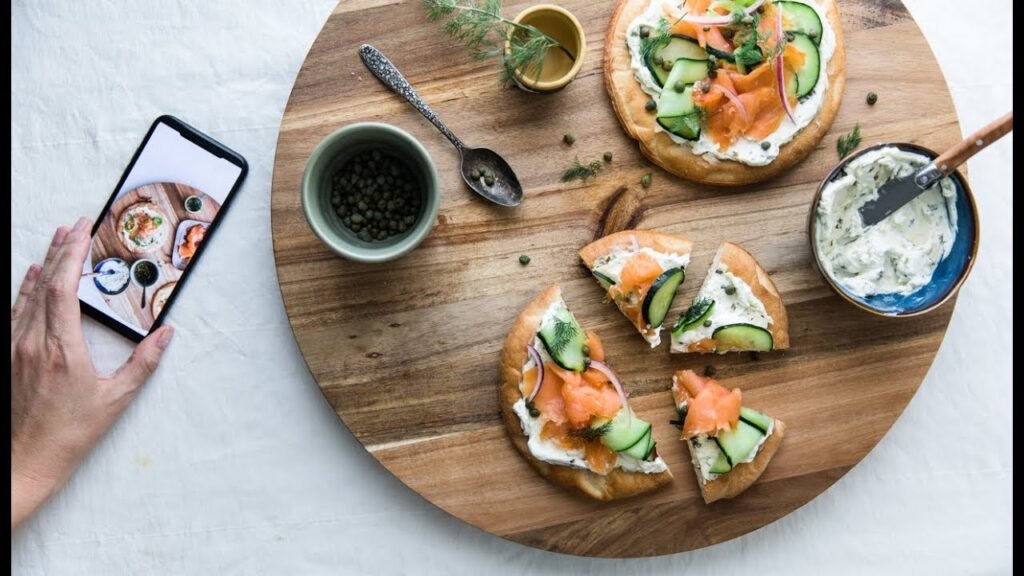
Food photography encompasses numerous essential elements—lighting, composition, styling, editing, and camera technique. If you’re serious about capturing mouth‑watering images that elevate your recipes and brand, these nine curated articles offer invaluable insight and practical strategies.
- Understanding Food Photography Fundamentals
This overview collects nine high‑value posts helping aspiring masters of food imagery—whether shooting with a DSLR, point‑and‑shoot, or smartphone. If you’re aiming to refine skills across lighting, composition, styling, and editing, this curated list is a smart place to begin.
- Natural Light in Restaurant Food Photography
Sean Neild, a Vancouver‑based photographer, shares how to make the most of ambient light in restaurants. He recommends shooting RAW and using auto modes to be efficient while the food is still appetizing. Neild typically captures 9–12 shots per dish to select the best three for final use.
- Styling Raw Ingredients
Lisa Bolton emphasizes the power of photographing ingredients in their uncooked form. These simpler, minimalist shots build narrative and provide visual variety. Raw ingredient images serve as portfolio extras, teasers for upcoming recipes, or even as stock imagery.
- Mastering Exposure Modes
Liz Nyland demystifies camera exposure settings for beginners stepping beyond auto mode. With her real‑world blog journey, she underscores that understanding aperture, shutter speed, and ISO allows intentional control over image mood and clarity.
- Outdoor Food Photography Best Practices
Tessa Huff shares outdoor shooting tips—watch the weather and choose golden hour or diffused light. Avoid harsh midday sun that can produce blown highlights or deep shadows. Use simple tools like diffusers or reflective surfaces to soften lighting.
- Capturing Ice Cream and Frozen Treats
Tessa also dives into the art of shooting delicate frozen desserts, encouraging photographers to “embrace the mess”: let cones drip, harness the melting moment for storytelling. A tripod and quick reflexes help capture that perfect drip.
- Styling and Photographing Cookies
Another by Tessa Huff, this piece walks you through elevating everyday cookies beyond flat, boring photos. She focuses on layering textures, playing with composition, and styling with props to make cookies look inviting and dynamic.
- Styling Soups for the Lens
Lisa Bolton shifts to soups, one of winter’s most comforting subjects. She highlights layering garnishes, choosing complementary bowls and backgrounds, and using props like spoons, napkins, and seasoning bottles to evoke warmth and texture.
- Visual Storytelling Through Food
This editorial explains how photography can go beyond aesthetic appeal—food images can convey emotion, memory, nostalgia, and narrative. Thoughtful styling and visual context help readers connect more deeply with the story behind the dish.
Why These Articles Matter
Collectively, these guides build a comprehensive toolkit:
Technical foundation in exposure, lighting, and camera control
Styling techniques for a wide range of subjects
Thoughtful composition tips to evoke mood and emotion
Storytelling strategies that transform your images into narratives
Bringing a Fresh Lens to the Collection
Here’s how you could reframe this wealth of advice into your own unique blog piece:
Curate a personal journey format—show your progression from straight‑out‑of‑camera shots to styled, branded images using insights from these pieces.
Highlight seasonal versatility—winter soups, summer picnics, desserts year‑round—to give readers context on adapting techniques.
Use split case studies—e.g. shoot raw tomatoes, the completed recipe, final plating—to illustrate raw styling tips alongside final food shots.
Focus on emotional impact—share your memories or mood tied to specific foods and illustrate how those translate visually, inspired by visual storytelling concepts.
Add behind‑the‑scenes insights—detail your workflow, how many frames you take per dish, post‑production decisions—echoing Neild’s practical approach.
Suggested Blog Structure
Introduction: Why food photography matters for bloggers and storytellers
Section 1: Light & Equipment Basics
Exposure modes and RAW shooting
Using natural light in restaurants and outdoor venues
Section 2: Styling Tips by Food Category
Raw ingredients
Cookies and baked goods
Soup styling
Frozen desserts
Section 3: Storytelling Through Imagery
How to weave visual emotion
Narratives through drip, garnish, background styling
ice—capture more, experiment, build your visual identity
Final Thoughts
By blending these nine expertly curated articles into a new, unified narrative, your readers will gain both practical techniques and a richer sense of purpose behind their images. Emphasizing storytelling alongside technical skill sets you apart from purely instructional blogs. Your unique voice can emerge through personal reflections and seasonal variety, making the content accessible yet inspiring for general readers.