


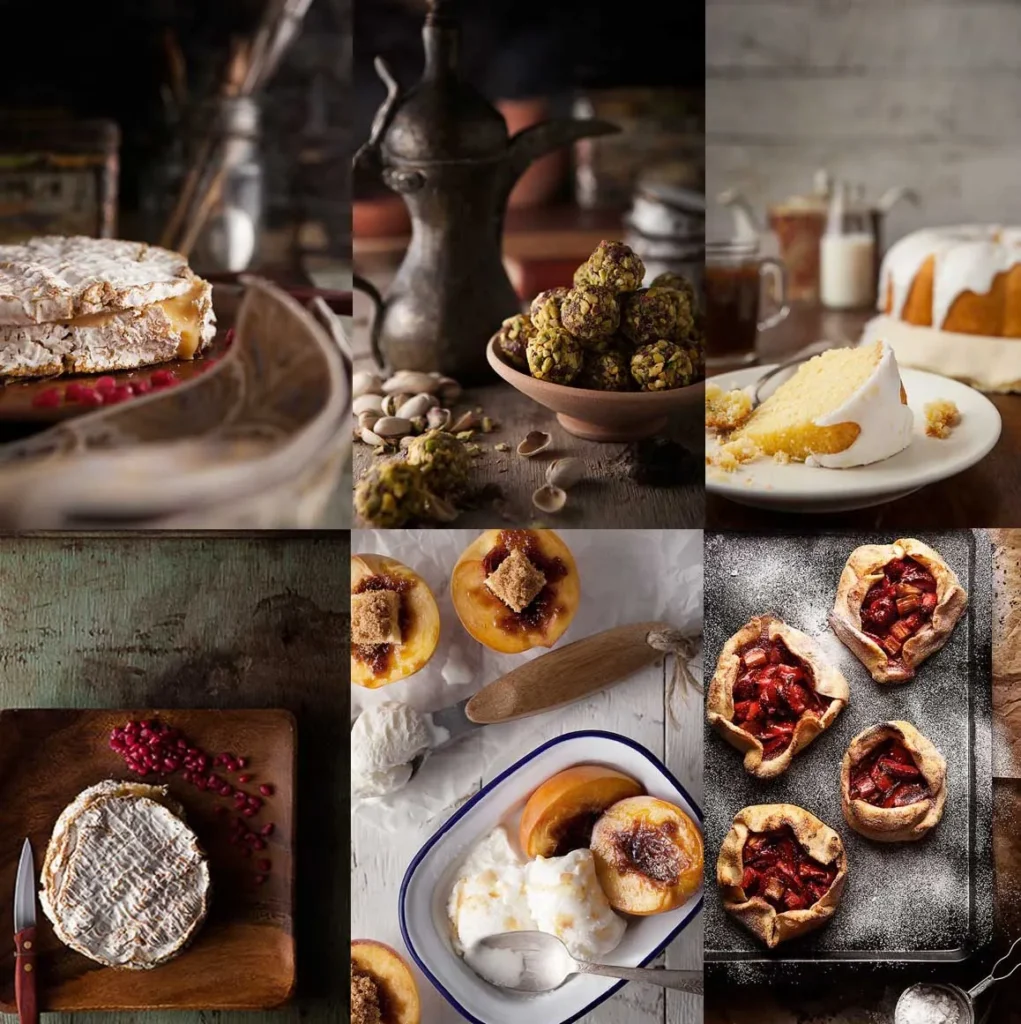
In today’s visually-driven world, the adage “we eat with our eyes first” has never been more pertinent. With the proliferation of social media platforms, food photography has transcended mere documentation to become an art form in its own right. Chef and food stylist Jodi Moreno, renowned for her work featured in esteemed publications like Bon Appétit and Vogue, offers invaluable insights into the meticulous process of styling and photographing a meal for two. Her approach emphasizes the harmonious interplay of light, color, and composition to create visually compelling culinary images .
- Selecting the Right Dish
The foundation of any captivating food photograph lies in the choice of dish. Opt for meals that are not only visually appealing but also photograph well. Dishes with varied textures, vibrant colors, and intricate details tend to capture the camera’s eye more effectively. Consider the dish’s composition and how its elements can be arranged to tell a story or evoke a particular mood.
- Crafting a Compelling Composition
Composition is paramount in food photography. Arrange the elements of the dish thoughtfully, ensuring that each component contributes to the overall aesthetic. Utilize the rule of thirds to create balance and harmony within the frame. Incorporate props such as utensils, napkins, or ingredients to add context and depth to the image. Be mindful of negative space, allowing the subject to breathe and preventing the image from feeling cluttered.
- Harnessing the Power of Lighting
Lighting can make or break a food photograph. Natural light is often preferred for its soft, flattering qualities. Position the dish near a window to utilize diffused sunlight, avoiding harsh shadows and overexposure. If shooting indoors, consider using reflectors or diffusers to manipulate the light and achieve the desired effect. Experiment with different times of day to capture the dish in various lighting conditions, each offering a unique ambiance.
- Embracing Color Theory
Color plays a crucial role in food styling and photography. Complementary color schemes can enhance the visual appeal of the dish, creating a harmonious and appetizing image. Incorporate a variety of colors through ingredients, garnishes, and props to add vibrancy and interest. Be cautious of clashing colors that may detract from the dish’s allure.
- Styling with Purpose
Every element within the frame should serve a purpose. Garnishes, props, and backgrounds should complement the dish without overshadowing it. Use garnishes that are edible and relevant to the dish, avoiding overly decorative elements that may confuse the viewer. Props should be chosen to enhance the story you’re telling, whether it’s a rustic farmhouse meal or an elegant fine dining experience.
- Capturing the Perfect Shot
When it comes to photography, the angle can significantly impact the image’s effectiveness. Top-down shots are ideal for flat lays and dishes with multiple components, while side angles can highlight height and layers. Experiment with different perspectives to find the most flattering view of the dish. Ensure the camera is steady to avoid blurriness, and utilize a tripod if necessary. Post-processing can enhance the image, but strive to maintain the dish’s natural appearance.
- Telling a Story
A compelling food photograph tells a story. Consider the narrative you wish to convey through your image. Is it a cozy breakfast at home, a festive holiday meal, or a sophisticated dinner party? The styling, composition, and lighting should all align to support this narrative. Incorporate elements that evoke emotions and connect with the viewer on a personal level.
Conclusion
Mastering the art of food styling and photography requires a keen eye for detail, a deep understanding of composition, and a creative approach to storytelling. By thoughtfully selecting dishes, composing compelling images, harnessing the power of lighting and color, and styling with purpose, you can create food photographs that are not only visually stunning but also emotionally resonant. As Jodi Moreno demonstrates, the fusion of culinary expertise and photographic skill can transform a simple meal into a captivating visual experience .
Further Reading
For those interested in delving deeper into the world of food styling and photography, consider exploring the following resources:
Food Styling: The Art of Plating: A course by Jodi Moreno that explores the nuances of plating and styling dishes for photography. (Domestika)
Food Photography: Styling the Perfect Table: A course by Emilie Guelpa that delves into the intricacies of styling and photographing food in a table setting.
yling and photography.