


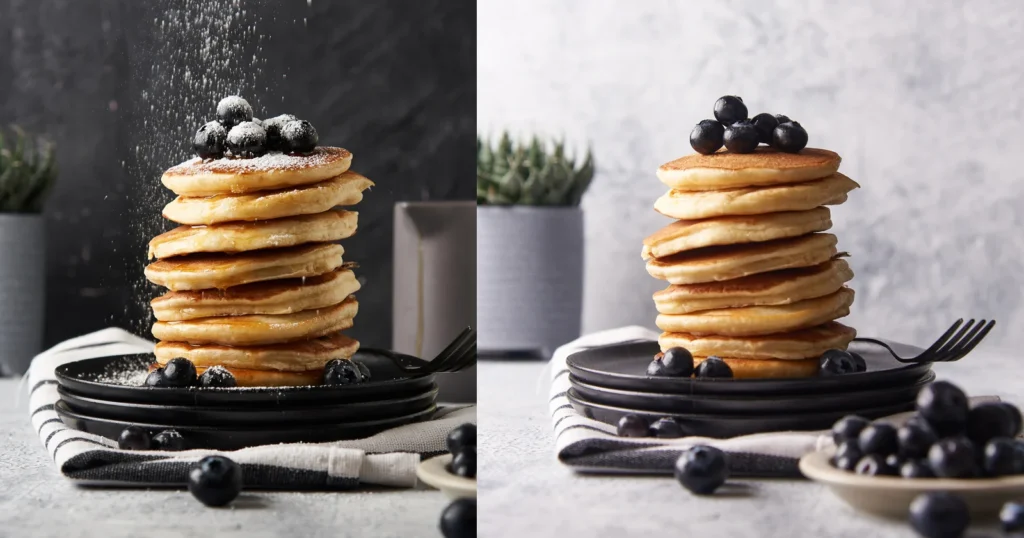
In the realm of culinary arts, the visual appeal of a dish plays a pivotal role in enticing the senses and elevating the dining experience. Food styling, the meticulous arrangement of food for photography, is an art form that blends creativity with technique. Drawing inspiration from seasoned professionals, here are essential tips to enhance your food styling endeavors.
- Embrace the Power of Height
Incorporating vertical elements into your food presentations adds dimension and visual interest. Utilize skewers, toothpicks, or creatively stacked ingredients to introduce height. For instance, stacking cookies or pastries can create a dynamic focal point, drawing the viewer’s eye upward and adding a sense of abundance.
- Achieve Precision with Clean Cuts
The presentation of sliced items, such as cakes or fruits, can significantly impact the overall aesthetic. To attain clean, precise cuts, run a sharp knife under hot water, wipe it dry, and then slice through the item. This technique ensures smooth edges, enhancing the dish’s polished appearance.
- Utilize Cooking Spray for Freshness
As food cools, it can lose its appetizing sheen. A light mist of cooking spray can revive the glossy finish of dishes like steaks, pastas, or casseroles, making them appear freshly prepared and more visually appealing.
- Incorporate a Variety of Textures
Texture adds depth and intrigue to food presentations. Combine smooth elements with rough or crumbly textures to create contrast. For example, pairing a silky sauce with a crunchy garnish can stimulate the viewer’s senses and make the dish more enticing.
- Strategic Placement of Props
The selection and arrangement of props can tell a story about the dish. Choose utensils, napkins, and backgrounds that complement the food’s theme. For instance, rustic wooden boards can evoke a homely feel, while sleek, modern plates may suggest a contemporary dining experience.
- Maintain a Balanced Composition
A well-balanced composition ensures that the viewer’s eye is naturally guided across the image. Arrange food items and props in a way that creates harmony, avoiding overcrowding or empty spaces. The use of the “rule of thirds” can be beneficial in achieving a balanced layout.
- Play with Lighting
Lighting is crucial in food photography. Natural light often provides the most flattering illumination, highlighting the dish’s textures and colors. Experiment with different lighting angles to find the most flattering effect, and consider using reflectors to fill in shadows.
- Keep It Real
Authenticity resonates with audiences. While perfection is appealing, a touch of imperfection can make the dish appear more relatable and appetizing. Slightly uneven cuts or a drizzle of sauce can add to the dish’s charm and appeal.
- Plan Your Shots
Before diving into styling, plan your shots. Consider the angles, lighting, and props that will best showcase the dish. Having a clear vision can streamline the styling process and result in more compelling images.
By integrating these professional food styling techniques, you can transform everyday dishes into visually captivating masterpieces. Whether you’re a budding food blogger or an enthusiast aiming to enhance your culinary presentations, these tips provide a foundation for creating images that not only look delicious but also tell a compelling visual story.