


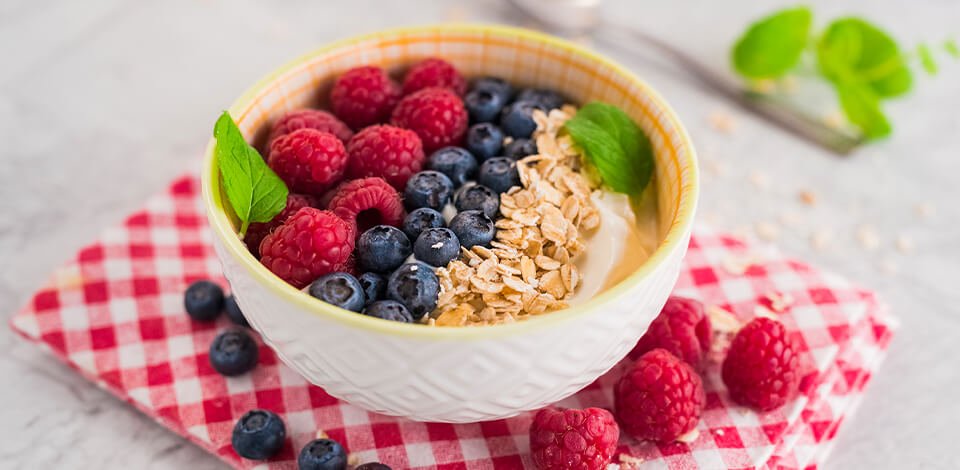
Food photography bridges artistry and precision—making dishes look irresistible through light, texture, composition, and clever styling. Whether you’re using a phone or DSLR, the FixThePhoto team—led by veterans Tata Rossi and Tetiana Kostylieva—shares proven tips to shoot vibrant, mouth-watering photos. Here’s how you can apply them creatively and accessibly.
- Choose Your Angle Wisely
The flat lay (90° overhead) remains a favorite for capturing full spreads like bowled meals or flat plates—just lift the camera high above the scene, using a stepladder if needed .But for dishes with height—think layered desserts, drinks, or burgers—the 45° or straight-on angle shows depth, height, and detail. Use 20°–45° especially when you want to highlight texture or styling .
- Harness Lighting and Shadows
Natural side lighting is ideal. It softly illuminates textures and shapes without harsh glare—especially important in drink and soup photography (Serious Eats, FixThePhoto.com).In darker scenes, adopt moody lighting styles with a single light source and minimal fill: dark backdrops and props let the subject shine. Use higher apertures (f/5–f/7) and low ISO to maintain clarity in shadows (FixThePhoto.com).
- Add Human Touches and Process Moments
Human elements invite relatability. Edit in gestures like a hand drizzling sauce or sprinkling herbs—these evoke authenticity and movement (FixThePhoto.com).Also consider process shots: images of ingredients being prepped, chopped, or falling in motion add storytelling depth and visual interest .
- Embrace Creative Composition
Break beyond basic layouts:
Play with geometry, slicing fruits or arranging vegetables into clean shapes or patterns .
Try symmetry or repetition—rows of similar elements draw the eye and inspire order .
Introduce mild chaos (crumbs, spills, leaflets) for realism—but keep it tasteful. Too much mess can be off-putting .
- Incorporate Quirky Tricks
Professional stylists sometimes use unconventional hacks: plastic “ice” cubes in drinks to avoid melting, or eyeliner to enhance grill marks, or glue instead of milk for thicker splash visuals (FixThePhoto.com).Use these sparingly—and ethically. In amateur photography, simpler illusions often work just as well: a few faux splashes or the right sauce sheen can be enough.
- Use Props to Tell a Story
Select props that enhance, not distract: wooden boards, vintage utensils, textiles—in muted or contrasting tones—help set mood and context without overshadowing the food .Organize them to follow visual design rules such as the “Rule of Odds” or thirds, drawing attention to the dish naturally.
- Edit with Precision—but Don’t Overdo It
Leverage Lightroom or Photoshop actions to boost vividness, improve texture clarity, and balance light and color (FixThePhoto.com).But avoid heavy-handed filters: the goal is to enhance realism and appetite appeal, not create overly stylized or artificial tones.
- Keep Practicing and Refining
FixThePhoto recommends continuous learning: take workshops, explore blog tutorials, and join food photography communities to stay inspired and technically sharp (FixThePhoto.com).Tata and Tetiana often recommend starting with simple gear—smartphones and natural light—and gradually experimenting with lighting modifiers, tripods, props, editing presets. This builds skill and style over time .
Putting It All Together: A Project Walk‑Through
Imagine you’re photographing a vibrant avocado toast brunch. Start with flat lay to capture the overall spread. Include a hand reaching for toast or sprinkling seeds to imply action. Use window-side natural light to highlight the toast’s texture and color. Prop the toast on a rustic board, and scatter crumbs or half‑cut avocado to impart naturalness. Insert subtle patterns using napkins or plates to emphasize color contrast.
When editing, enhance warmth, clarity, and saturation—but keep the food recognizable. Slight exposure tweaks can emphasize sheen; refined highlights bring out garnish detail.
Final Thought
Food photography is an art of sensory storytelling. With techniques drawn from FixThePhoto—thoughtful angles, light control, minimal styling, storytelling elements—you can transform everyday meals into mouth-watering visuals. Most importantly, stay curious and playful. Each shoot teaches something new, and your style will evolve with every image.
Cooking and shooting: both celebrate transformation. Use these tips, keep experimenting, and let your passion—and a stunning final photo—shine.