


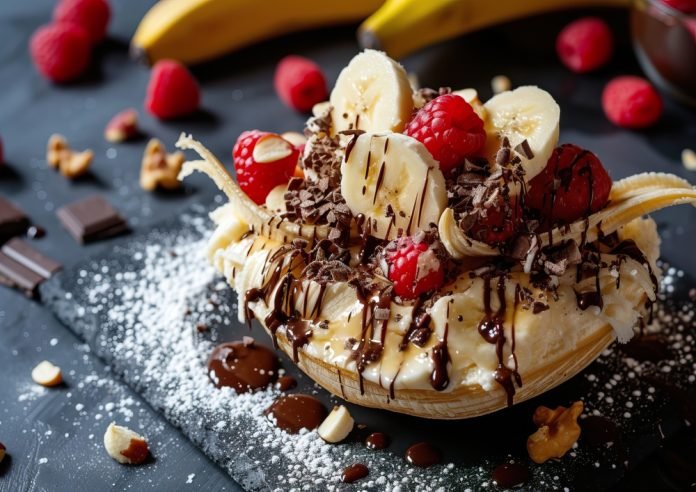
Food photography is not merely about capturing images of meals; it’s about telling a story that entices the viewer’s senses. Whether you’re a food blogger, a chef, or an enthusiast aiming to enhance your Instagram feed, understanding the fundamentals of food styling can elevate your photography to new heights.
- The Essence of Food Styling
At its core, food styling is about presenting food in a way that is both visually appealing and true to its essence. It’s about enhancing the natural beauty of the dish without overshadowing its authenticity. This involves selecting the right ingredients, garnishing thoughtfully, and arranging elements to create a harmonious composition.
- The Power of Lighting
Lighting is paramount in food photography. Natural light, especially soft, diffused light, can bring out the textures and colors of the food beautifully. Positioning your setup near a window can provide this ideal lighting. However, if natural light isn’t available, using artificial lighting with softboxes can mimic this effect. The key is to avoid harsh shadows and overexposure, ensuring the food looks appetizing and inviting.
- Composition Techniques
Effective composition guides the viewer’s eye and emphasizes the main subject. The rule of thirds is a classic technique where the frame is divided into nine equal parts, and the subject is placed along these lines or their intersections. Additionally, varying your shooting angles—overhead, 45-degree, or eye-level—can offer different perspectives and highlight the dish’s features. Negative space, or the empty space around the subject, can also be utilized to draw attention to the food and create a balanced image.
- Choosing the Right Backdrop
The backdrop sets the tone for your photograph. A cluttered or overly bright background can distract from the food. Opt for neutral or complementary colors that enhance the dish. Wooden surfaces, textured fabrics, or simple plates can serve as effective backdrops, providing context without competing with the main subject.
- Props and Garnishing
Props can add context and tell a story. Items like cutlery, napkins, or ingredients used in the dish can enrich the narrative. However, it’s essential to use props sparingly; they should complement, not dominate, the food. Garnishing should be fresh and relevant to the dish, adding color and texture without overwhelming the plate.
- Post-Processing Enhancements
After capturing the perfect shot, post-processing can fine-tune the image. Adjusting brightness, contrast, and saturation can make the colors pop. Cropping can improve composition, and sharpening can enhance details. However, it’s crucial to maintain the image’s authenticity; over-editing can make the food look unnatural.
- Practice and Experimentation
Like any art form, mastery comes with practice. Experiment with different dishes, lighting setups, and compositions. Analyze photographs from professionals and try to replicate their techniques. Over time, you’ll develop your unique style and approach to food photography.