


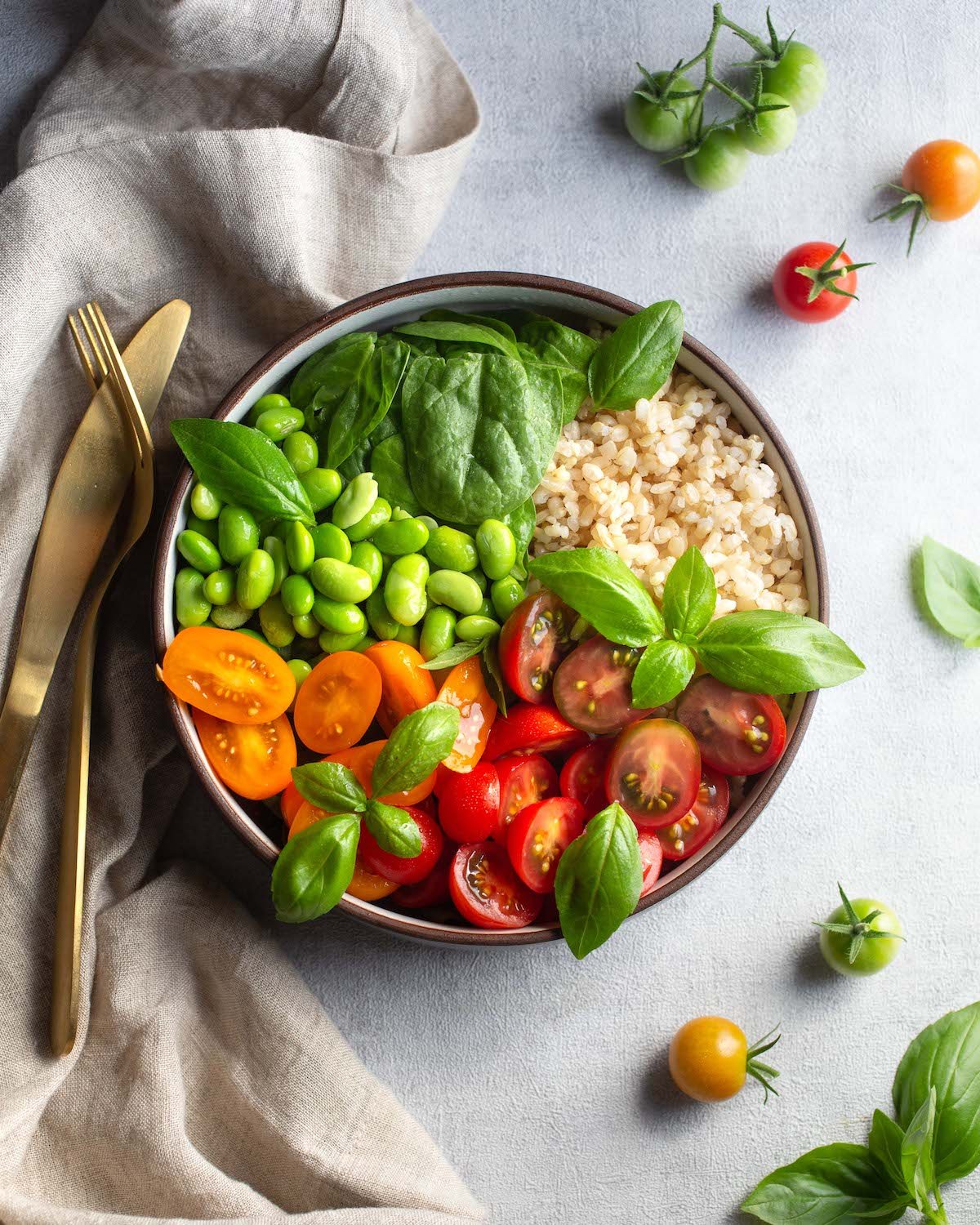
Food photography is more than just capturing a meal; it’s about telling a story, evoking emotions, and enticing the viewer’s senses. Whether you’re a seasoned food blogger or a novice with a smartphone, understanding the nuances of food styling can elevate your images from mundane to mouthwatering.
- Embrace Natural Lighting
Natural light is the cornerstone of compelling food photography. Position your setup near a window to harness soft, diffused light that enhances the food’s textures and colors. Avoid direct sunlight, as it can create harsh shadows and overexposed highlights. If shooting indoors, consider using sheer curtains to diffuse the light, or employ reflectors to bounce light back onto the subject, ensuring even illumination.
- Choose the Right Backdrop
The backdrop sets the tone for your image. Opt for surfaces that complement your dish without overpowering it. Wooden tables, rustic boards, or textured fabrics can add depth and interest. Ensure the backdrop’s color contrasts appropriately with the food; for instance, a white plate on a dark wood surface can make the dish pop.
- Plate with Purpose
The way food is plated can significantly impact its visual appeal. Use smaller plates to prevent the dish from appearing lost in a vast space. Arrange food in a way that guides the viewer’s eye, creating a natural flow. Incorporate layers by adding garnishes or side elements, but avoid overcrowding the plate.
- Incorporate Props Thoughtfully
Props can enhance the narrative of your photo but should not distract from the main subject. Items like utensils, napkins, or ingredients used in the dish can add context and depth. Ensure props are clean, relevant, and placed strategically to lead the viewer’s eye towards the food.
- Play with Angles
Experimenting with different angles can offer unique perspectives. Top-down shots are ideal for flat lays and showcasing multiple components, while side angles work well for layered dishes or beverages. Adjusting your position can reveal new details and create more dynamic compositions.
- Highlight Textures
Textures add a tactile quality to your images. Capture the crispness of a crust, the creaminess of a sauce, or the juiciness of fruits to evoke sensory experiences. Close-up shots can emphasize these textures, making the food more inviting.
- Edit with Subtlety
Post-processing can enhance your photos, but subtlety is key. Adjust brightness, contrast, and saturation to reflect the food’s true colors. Avoid over-editing, as it can make the dish appear unnatural. Consistency in editing style helps maintain a cohesive aesthetic across your portfolio.
- Tell a Story
Every dish has a story to tell. Incorporate elements that hint at the meal’s origin, preparation, or intended setting. For example, a rustic bread loaf paired with a vintage knife can evoke a homely, artisanal feel. These storytelling elements can create a deeper connection with the viewer.
- Maintain Cleanliness
A clutter-free setup ensures the focus remains on the food. Wipe away any spills, crumbs, or fingerprints from the plate and surrounding area. A clean presentation reflects professionalism and enhances the dish’s appeal.
- Practice and Patience
Mastery comes with practice. Experiment with different setups, lighting conditions, and compositions. Review your photos critically to identify areas for improvement. Over time, you’ll develop a style that resonates with your audience.
By integrating these principles into your food photography, you can create images that not only showcase the dish but also evoke emotions and tell compelling stories. Remember, the goal is to make the viewer not just see the food but feel the experience.