


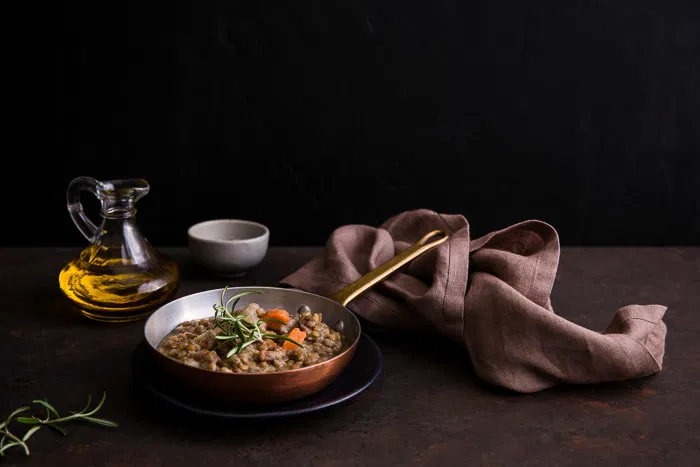
Food photography is no longer just about posting recipe pictures—it’s a visual art form. With audiences remembering just 10–20% of what they read, adding stunning photos can boost memory retention to over 60% . If you’re looking to up your food photography game, here are top-tier blogs to follow in 2025 that offer both visual inspiration and educational value.
Why Food Photography Blogs Matter
Blogs dedicated to food photography have evolved tremendously since the early days of personal recipe journaling. Today’s successful blogs pair gorgeous visuals with behind‑the‑scenes tips, setting the benchmark for aspiring photographers and bloggers alike . Whether you’re shooting for Instagram or planning your own cookbook, these creators offer strategies on lighting, styling, composition, and building a distinctive style.
Who to Follow
Below are some standout food photography blogs, each bringing something unique:
- La Tartine Gourmande
A Boston‑based photographer and stylist who originally hails from France. Béatrice’s work combines refined plating with insightful photography guidance—and she’s a published cookbook author featured in major outlets like the New York Times and Martha Stewart .
- Healthy Laura
Laura transitioned from law to full-time food photographer. Her focus on health-conscious dishes and minimalist styling makes her visual storytelling powerful and appealing—even for complex dietary preferences like zoodles .
- Use Your Noodles
Anja blends simple, seasonal cooking with clean, nature‑inspired photography. Her dedication to eco‑friendly styling and local ingredients gives her visuals a fresh, earthy charm .
- Imagelicious
Focused on quick, healthy recipes—often seasonal—Julia’s site features clean, bright compositions that are accessible and aspirational for home cooks .
- The Little Plantation
Kimberly is a food stylist, nutritional therapist, and blogger specializing in plant-based cuisine. Her blog is known for vibrant images, photography tutorials, and online workshops .
- Adventures in Cooking
With a quarter million Instagram followers, Eva combines seasonal cooking with stunning food imagery. Her blog also offers Lightroom presets and mentoring—a resource-rich destination for food creatives .
- Our Food Stories
This duo crafts gluten-free and vegetarian dishes with a moody Nordic aesthetic. Their signature “Dinner Stories” series explores the communal side of cooking and dining .
- Call Me Cupcake
Linda mastered minimalist, rustic baking photography that launched her into cookbook authorship and prop design. Her visual style is elegant yet approachable .
- The Bojon Gourmet
A pastry chef turned blogger who specializes in alternative baking. Known for gluten‑free recipes and expressive styling, Alanna’s images and writing reflect her culinary expertise .
Learn Techniques from their Content
Each blog often includes blog posts on practical photography techniques—including lighting, composition, and styling.
Lighting: Learn to harness daylight, backlighting beverages, or using diffusers and reflectors for soft, sculpted light .
Composition: Explore rules like odd numbers, rule-of-thirds, the phi grid, and golden triangles to lead the viewer’s eye through your frame .
Styling: Pick up real-world tips like using fake ice, adding glycerin drops for moisture, or hidden supports to build stable layers in burgers .
Creativity at Home: Try reflection techniques, minimalist concepts, or macro food shots using simple tools and household setups .
How to Use These Blogs Effectively
Bookmark your style matches: Identify bloggers whose aesthetic resonates with yours—whether vibrant and airy or dark and moody—and study their signature traits.
Study posts on lighting and setup: Blogs often include behind-the-scenes tips—use them to replicate similar setups.
Practice techniques they explain: Try styling hacks like fake ice or steam simulation from their styling posts.
Experiment regularly: Use macro, overhead, and reflective shots to develop a varied portfolio.
Final Thoughts
Following these food photography blogs gives you access to diverse styles, practical how‑tos, and creative techniques. They are not just galleries—they are classrooms. Whether you’re brand-new or looking to refine your visual identity, these creators offer knowledge, inspiration, and actionable guidance for every skill level.