


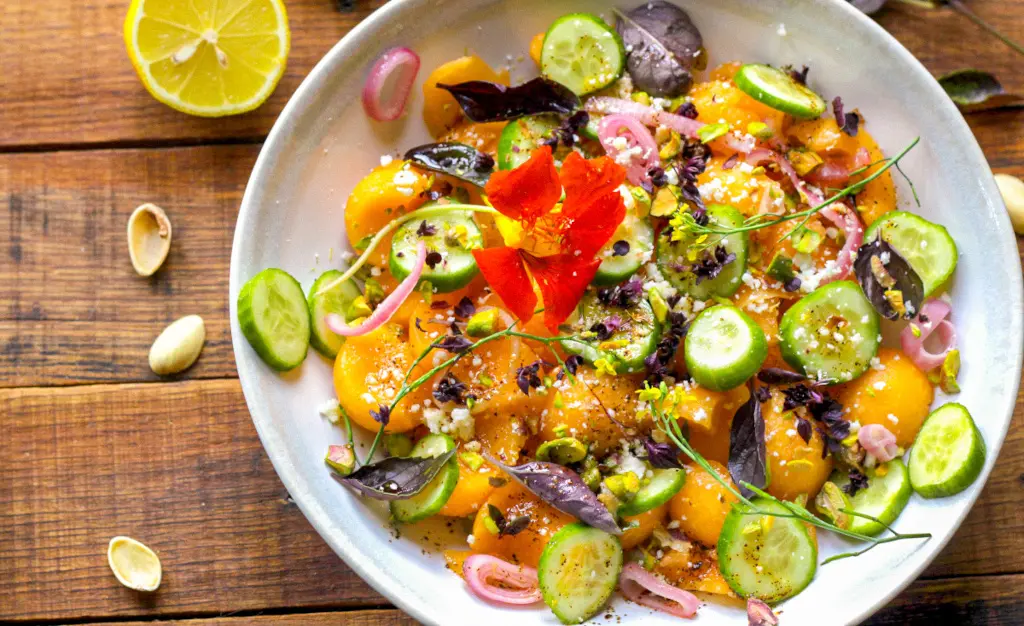
Food styling is more than just arranging ingredients on a plate; it’s about crafting a visual narrative that entices the viewer’s senses. Whether you’re a seasoned culinary artist or a novice blogger, understanding the nuances of food styling can elevate your photography and captivate your audience.
The Essence of Food Styling
At its core, food styling is an art form that transforms everyday dishes into visually appealing masterpieces. It’s about presenting food in a way that not only looks appetizing but also tells a story. As Launie Kettler aptly puts it, food styling is “a little love letter to the ingredients, finished dish, and the viewers.” It’s about creating images that make the audience feel as though they can almost taste the dish through the screen .
Crafting the Scene: Editorial vs. Advertising
Understanding the distinction between editorial and advertising food styling is crucial. Editorial styling often aims to tell a story, capturing the essence of a moment or a recipe’s journey. It focuses on authenticity and relatability. In contrast, advertising styling is more about selling a product, emphasizing perfection and idealized presentations. Recognizing these differences helps in tailoring your approach to suit the intended message and audience.
Essential Tools for the Stylist
A well-equipped stylist’s toolkit can make all the difference. While the basics include tweezers for precise placement and brushes for cleaning up spills, the true magic lies in the details. Cotton swabs are invaluable for touch-ups, ensuring every element is spotless. Spray bottles can add that fresh, dewy look to fruits and vegetables, making them appear freshly picked. These tools, combined with a keen eye for detail, can transform a good shot into a great one.
The Role of Photography Gear
While styling is paramount, the right photography equipment complements and enhances the visual appeal. A DSLR or mirrorless camera with a macro lens allows for sharp, close-up shots that capture intricate details. A tripod ensures stability, especially in low-light conditions, preventing blurriness. Additionally, understanding your camera’s settings, such as aperture and shutter speed, can help in achieving the desired depth of field and exposure.
Lighting: The Unsung Hero
Lighting is perhaps the most overlooked yet vital aspect of food photography. Natural light, especially during the golden hours of early morning or late afternoon, provides a soft, flattering glow. Positioning your setup near a window can illuminate the dish beautifully. However, when natural light isn’t available, artificial lighting can be used effectively. Softboxes and diffusers help in mimicking natural light, reducing harsh shadows and highlights.
Composition and Styling Techniques
Composition plays a pivotal role in food photography. The rule of thirds can guide the placement of the main subject, creating a balanced and harmonious image. Incorporating elements like textures, colors, and props can add depth and interest. For instance, a rustic wooden table can evoke a homely feel, while sleek, modern plates might suggest sophistication. It’s essential to ensure that every element in the frame serves a purpose and contributes to the overall narrative.
The Power of Props
Props are more than just background elements; they are storytelling tools. A vintage spoon can hint at a traditional recipe, while a vibrant napkin might add a pop of color. However, it’s crucial to use props sparingly. Overcrowding the scene can distract from the main subject. As Kettler advises, “Use restraint with them” . Each prop should enhance, not overpower, the dish.
Final Touches
The finishing touches can elevate a photograph from good to exceptional. A drizzle of sauce, a sprinkle of herbs, or a dash of seasoning can add visual interest and suggest flavor. However, it’s essential to avoid over-styling. The goal is to make the dish look natural and inviting, not artificial.
Conclusion
Food styling is a blend of art and science, requiring creativity, attention to detail, and a deep understanding of the subject. By mastering the techniques outlined above and continuously experimenting, photographers can create images that not only showcase food but also evoke emotions and tell compelling stories. Remember, the ultimate goal is to make the viewer feel as though they can taste the dish, even if it’s only through the lens.