


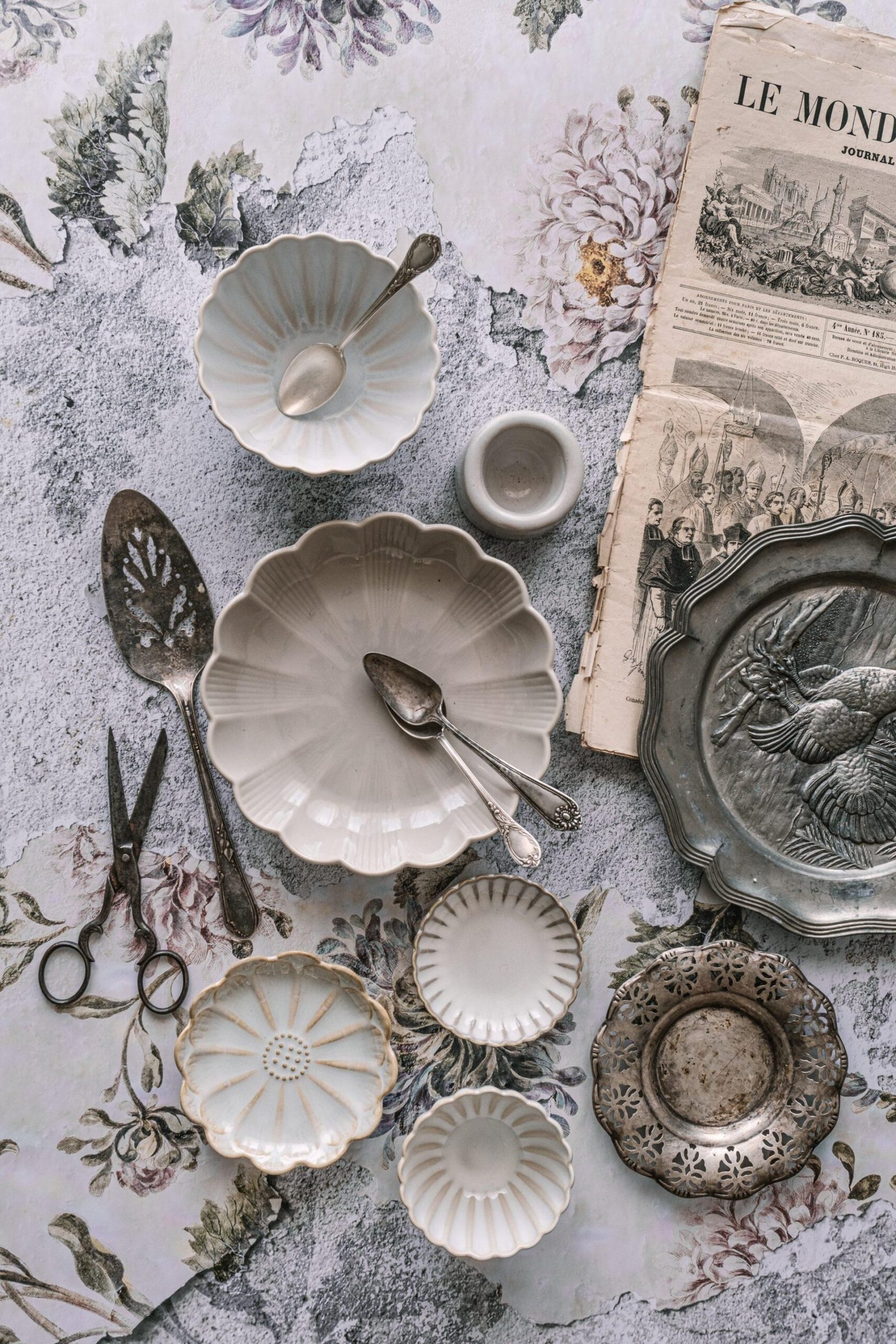
Food styling isn’t just about arranging ingredients; it’s about crafting a visual narrative that entices the senses and invites the viewer to indulge. Whether you’re a seasoned food photographer or a budding blogger, refining your styling techniques can transform your food photography from ordinary to extraordinary. Here are five indispensable tips to enhance your food styling and give your photography a fresh, captivating appeal.
- Embrace the Art of Scene Setting
Styling is more than just placing food on a plate; it’s about creating an atmosphere that tells a story. Think of your setup as a stage where every element plays a role. Incorporate props like rustic utensils, textured linens, or ambient lighting to set the mood. Remember, the goal is to evoke a feeling—be it warmth, elegance, or rustic charm—that resonates with your audience.
- Play with Composition and Layering
A well-composed photograph guides the viewer’s eye and creates a balanced image. Experiment with different angles—overhead shots for flat lays, side angles for layered dishes, and close-ups to highlight textures. Layering elements can add depth and interest, making the image more dynamic. Don’t hesitate to rearrange components until the composition feels harmonious.
- Utilize Natural Light to Enhance Appeal
Lighting is crucial in food photography. Natural light, especially soft, diffused light, can bring out the true colors and textures of your food. Position your setup near a window with sheer curtains to diffuse harsh sunlight. Avoid direct overhead lighting, as it can create unflattering shadows. Instead, aim for side or backlighting to add dimension and warmth to your images.
- Incorporate Seasonal and Fresh Elements
Seasonality adds authenticity and vibrancy to your photos. Use fresh, in-season ingredients to not only enhance the visual appeal but also to tell a story of the current time of year. Incorporate elements like seasonal fruits, herbs, or flowers to add pops of color and texture. These details can make your images feel timely and connected to nature.
- Edit Thoughtfully to Enhance, Not Alter
Post-processing is an essential step in food photography, but it’s important to edit with restraint. Enhance the natural colors and textures without over-saturating or over-sharpening. Adjusting brightness, contrast, and white balance can bring out the best in your images. Remember, the aim is to make the food look as appetizing as it does in person, not to create an unrealistic representation.
By integrating these styling techniques into your photography practice, you can create images that not only showcase your culinary creations but also tell a compelling visual story. Remember, food styling is an evolving art form—don’t be afraid to experiment, learn, and grow with each shot.