

- Why Food Photography Matters
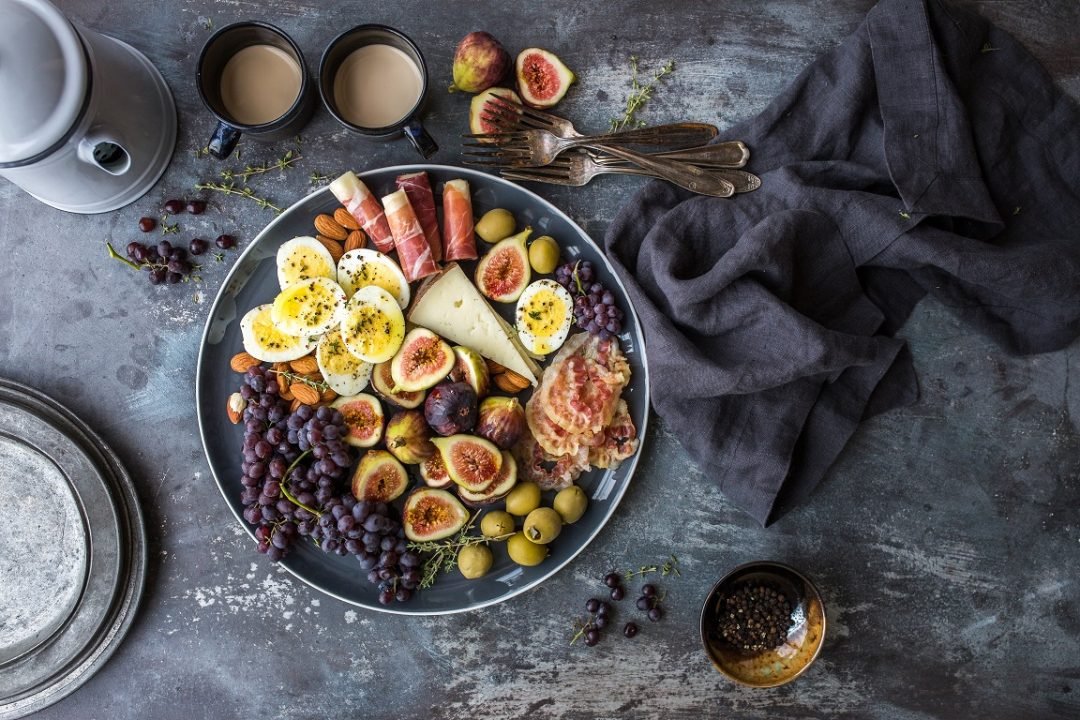
Michael Ray speaks from over a decade of experience: food photography is both art and craft—a blend of lighting, styling, and storytelling . Whether you’re a food blogger or aspiring pro, capturing appetizing visuals is central to building engagement and credibility.
- Understand Your Purpose and Audience
Differentiate between editorial and advertising food photography. Advertising shots sell the food itself; editorial images evoke mood and environment . Define your intent early to guide everything from lens choice to lighting style.
- Choose the Right Lens and Gear
Ray recommends a “normal” prime lens—around 85 mm or 105 mm macro—ideal for shallow depth of field and close-up detail. He prefers the 85 mm tilt-shift macro for precise focus control and creative composition . Having one versatile lens covers most shoots, but options for wider or tighter shots help expand your visual grammar.
- Master Lighting: Natural and Studio
Photography is “painting with light.” Show variety—harsh and soft, natural and artificial light—to convey mood and dimension . In high-end shoots, Michael collaborates with stylists and assistants to shape lighting and craft textures that sell the food.
- Tell Stories Through Your Composition
Ray emphasizes that powerful portfolios contain wide scenes, portraits, and macro shots—from broader context to tight detail—to showcase your versatility and problem-solving skills. Clients look for photographers who can envision and deliver cohesive visual narratives.
- Attention to Logistics
The shoot environment matters—especially with challenging subjects like ice cream. Ray details how studio temperature (around 60°F), humidity control, backup freezers, and carefully prepped food help maintain visual quality under pressure. Small details like duplicate bowls and defrost scheduling can make or break the final image.
- Prop Styling and Set Management
Props, surfaces, and crumbs should enhance, not distract. Use materials and styling to reinforce the mood, while avoiding clutter. Ray also mentions the careful use of adhesives (like sticky tack) to position utensils and props without mishaps—colloquially known on set as “blue shit”.
- Planning Saves Time and Enhances Creativity
Successful shoots rely on planning: shot lists, lighting tests, prop setups, and contingency backups. The more thorough the prep, the more confident the execution. Ray often walks audiences through a full shoot process—what was done, why, and how it came together visually in his professional workflow.
- Practice and Evolution
Ray acknowledges that every photographer must practice solving varied lighting and compositional problems. Experiment with different cuisines, props, lighting setups, and mood levels. Each shoot is a lesson in visual problem-solving and personal style refinement .
Fresh Angle, Same Voice
Keeping Ray’s candid, slightly irreverent yet informative tone, the new version reorganizes content into reader-friendly sections—still retaining his insight-packed reflections on gear, workflow, and philosophy. The voice remains relatable: seasoned but approachable, guiding beginners and professionals alike.